
Meijers
Group
Translational
Cardio-Immuno-Oncology
& Heart Failure Research
Our Research
bed to bench-side and back to bed
Cardio-oncology was centered around the cardiotoxic effects of cancer therapy on the heart. Being able to identify patients prone to cardiotoxic adverse events and monitoring their cardiac health throughout treatment is paramount. Biomarkers are crucial for identifying and monitoring cardiac complications in cancer patients undergoing various treatment modalities. For example, cardiac troponins and NT-proBNP can serve as valuable biomarkers in detecting early signs of cardiotoxicity, enabling timely intervention to minimize cardiac damage while allowing for the continuation of cancer treatment. Additionally, research in Cardio-Oncology is focused on the identification of novel biomarkers that can predict individual susceptibility to cardiotoxicity, facilitating personalized treatment plans.
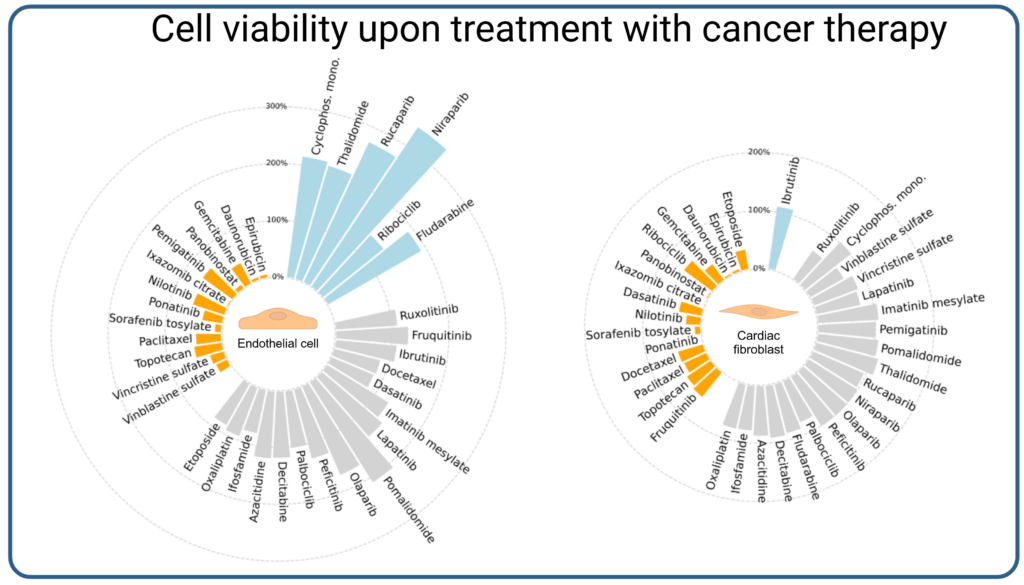
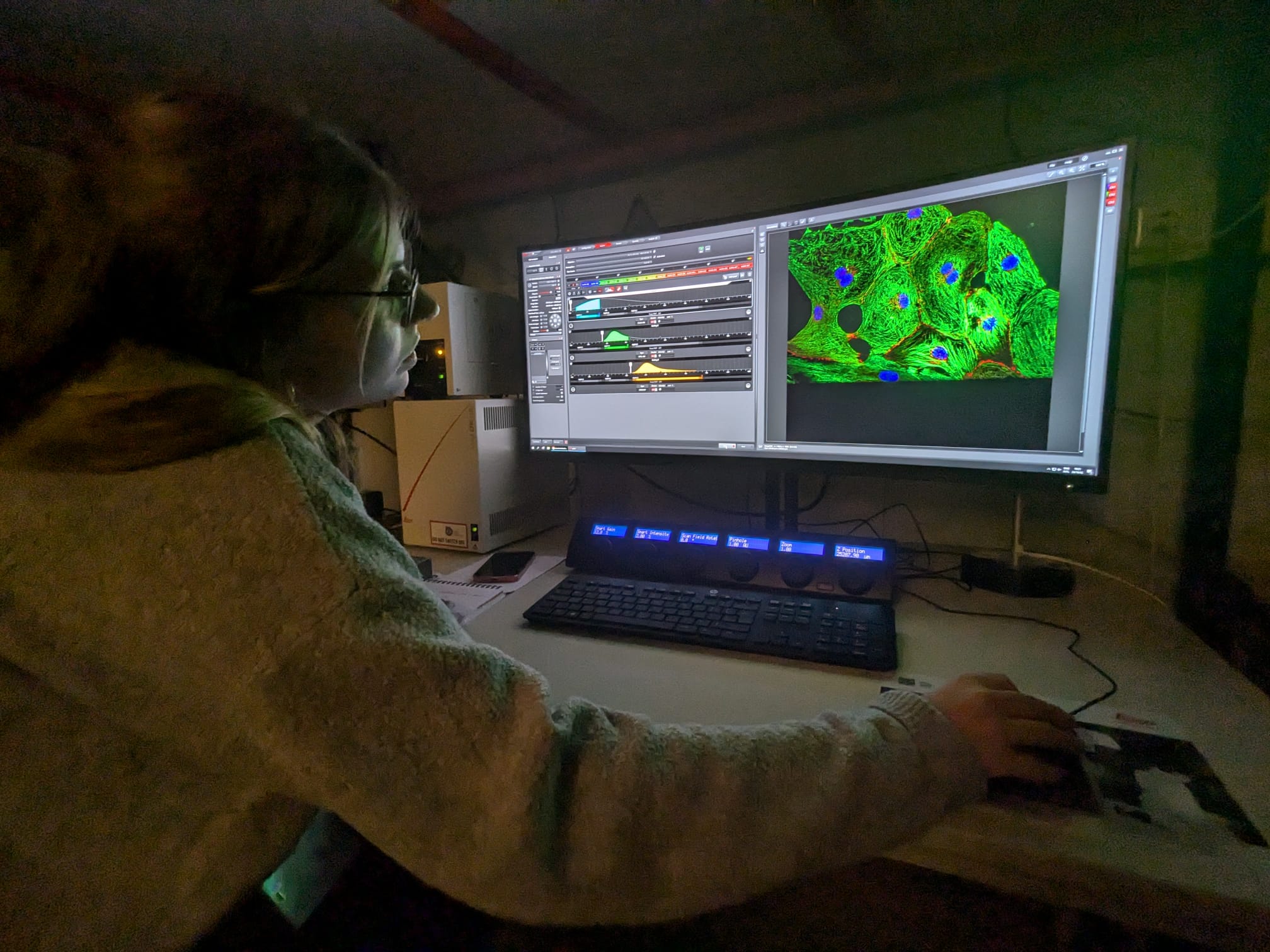
Furthermore, we use state-of-the art in vitro models to study the effect of cancer treatment on various cardiac cell types. Though commonly cardiomyocytes are the main focus of research, we also assess cardiotoxic effects on cardiac fibroblasts and endothelial cells using induced pluripotent stem cell-like cells (2D model) as well as cardiac organoids including all three cell-types of interest (3D model). This provides more information on the cell-types which are more in contact with other factors, such as the immune system and secreted factors in the circulation.
The immune system plays an essential role in both cardiovascular disease and cancer. Immune checkpoints are an example of this which have taken off since their use as cancer treatment. Immune checkpoint inhibitors (ICIs) have revolutionized cancer treatment by enhancing the body’s immune response against cancer cells. However, their use has been associated with various immune-related adverse events, including cardiovascular complications such as myocarditis. Myocarditis is a rare but potentially life-threatening side effect of ICIs, which involves inflammation of the heart muscle.
We are targeting ICI-mediated myocarditis on different levels of research.
We are exploring biomarkers and early detection methods to identify patients at higher risk. For example, we have evaluated the diagnostic and prognostic value of cardiac troponin T and are using large cohort studies to validate our findings. Furthermore, we are investigating the potential role of corticosteroids or other immunomodulatory agents in managing these cardiovascular complications.
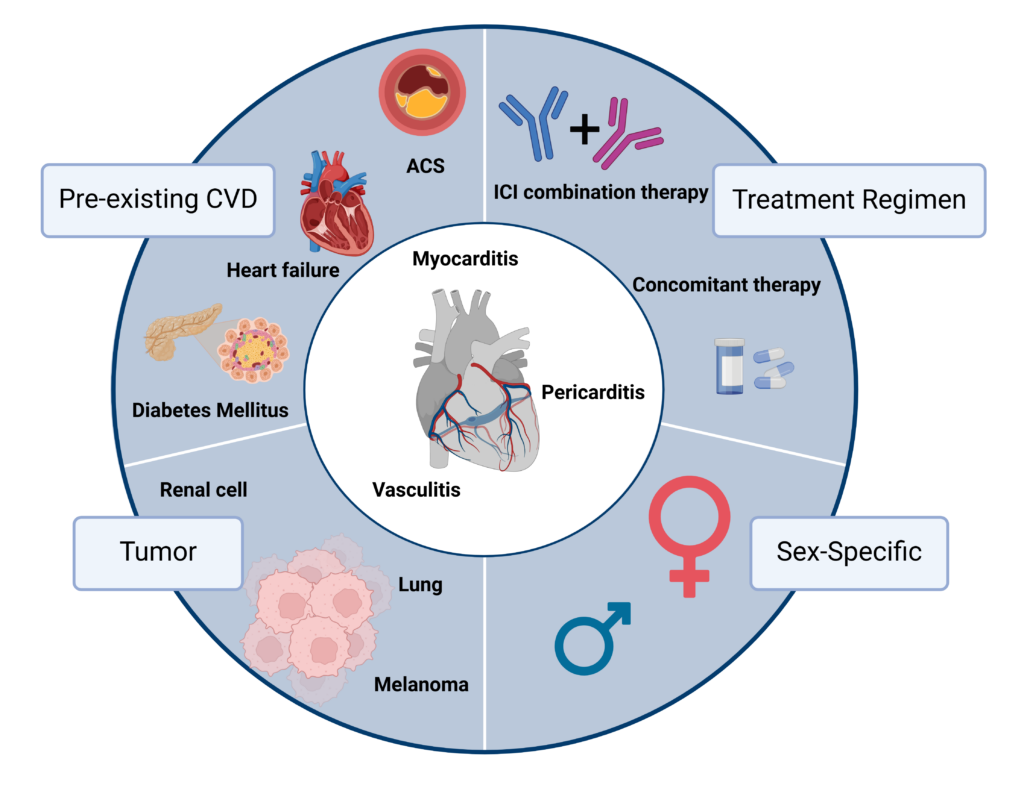
While ICIs continue to offer significant benefits in cancer treatment, ongoing pre-clinical research is essential to better understand and manage their potential cardiovascular side effects, ensuring the safety and efficacy of these groundbreaking therapies. Pre-clinical research in this area has focused on elucidating the underlying mechanisms of ICI-related myocarditis and developing strategies to mitigate its risks.
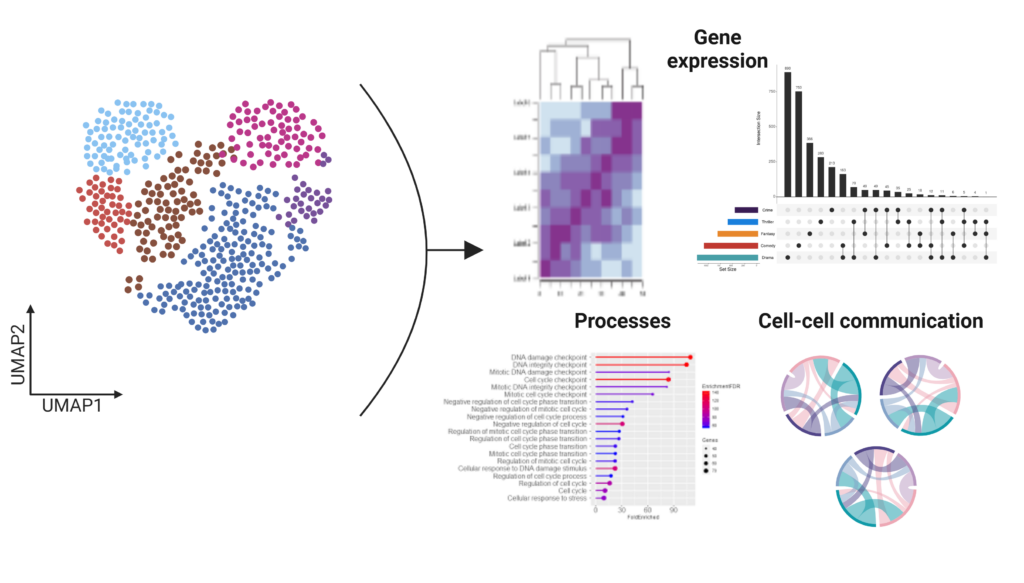
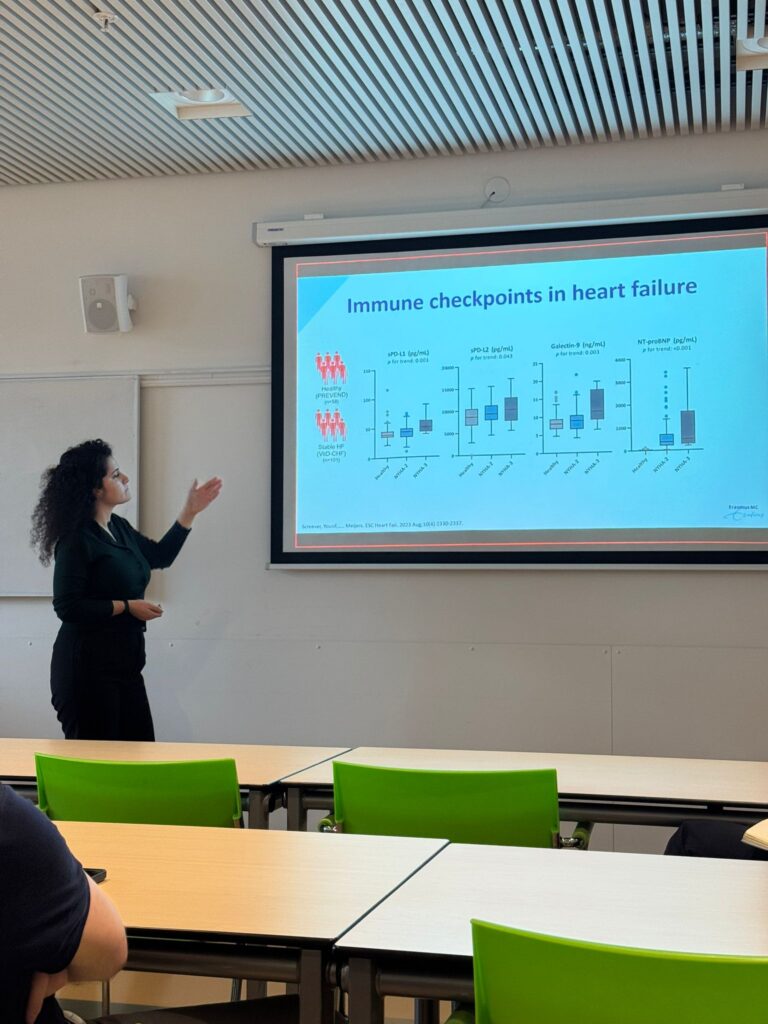
On a new frontier, in learning from oncology, we are studying the role of immune checkpoints in cardiac disease. We found that they can be indicative of cardiac outcome, and are currently investigating their behavior in various etiologies using pre-clinical models as well as bioinformatics. Pre-clinical models will allow us to identify immune checkpoints of interest and study the effect of modulating their action, while bioinformatics provide transcriptional information on disease-specific subpopulation of cell-types and predict which cell-cell interaction might be of interest to target.
The field of Cardio-Oncology originated from patients presenting with cardiac adverse events after cancer treatment. However, given the tremendous amount of shared risk factors between cardiovascular diseases and cancer, our group pioneered the investigation of the effect of heart failure on cancer. Both Cardio-Oncology and Reversed Cardio-Oncology epidemiological research play crucial roles in improving the overall care and quality of life for cancer patients and survivors. Epidemiological studies in the field of Reverse Cardio-Oncology explore the cancer outcome in long-term cardiovascular disease. This includes evaluating the use known cardiovascular diseases biomarkers for to predict cancer. Additionally, they examine the impact of various pre-existing cardiovascular conditions on cancer treatment decisions and outcomes, ultimately guiding clinical practice to minimize risk of developing one after the other.
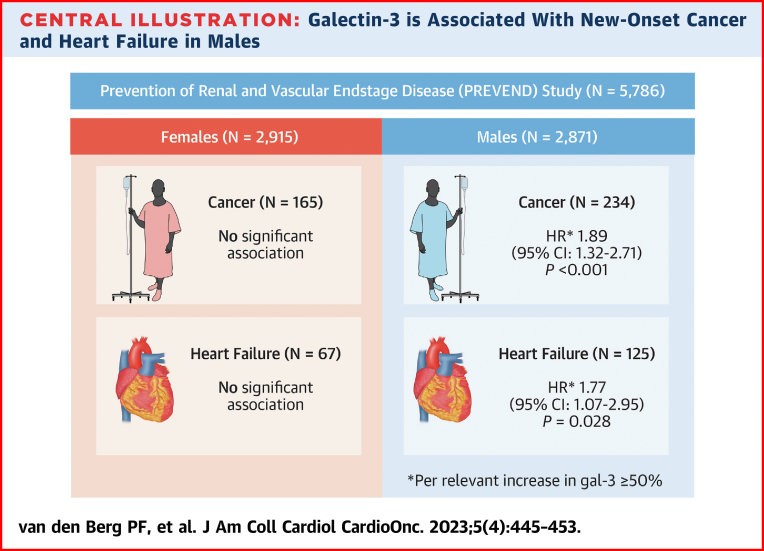
Pre-clinical Reverse Cardio-Oncology research includes studying the effect of cardiac injury on tumor growth and elucidating which factors (secreted proteins, the reprogrammed immune system, dysbiosis of the gut microbiome, etc.) drive this.
The Team
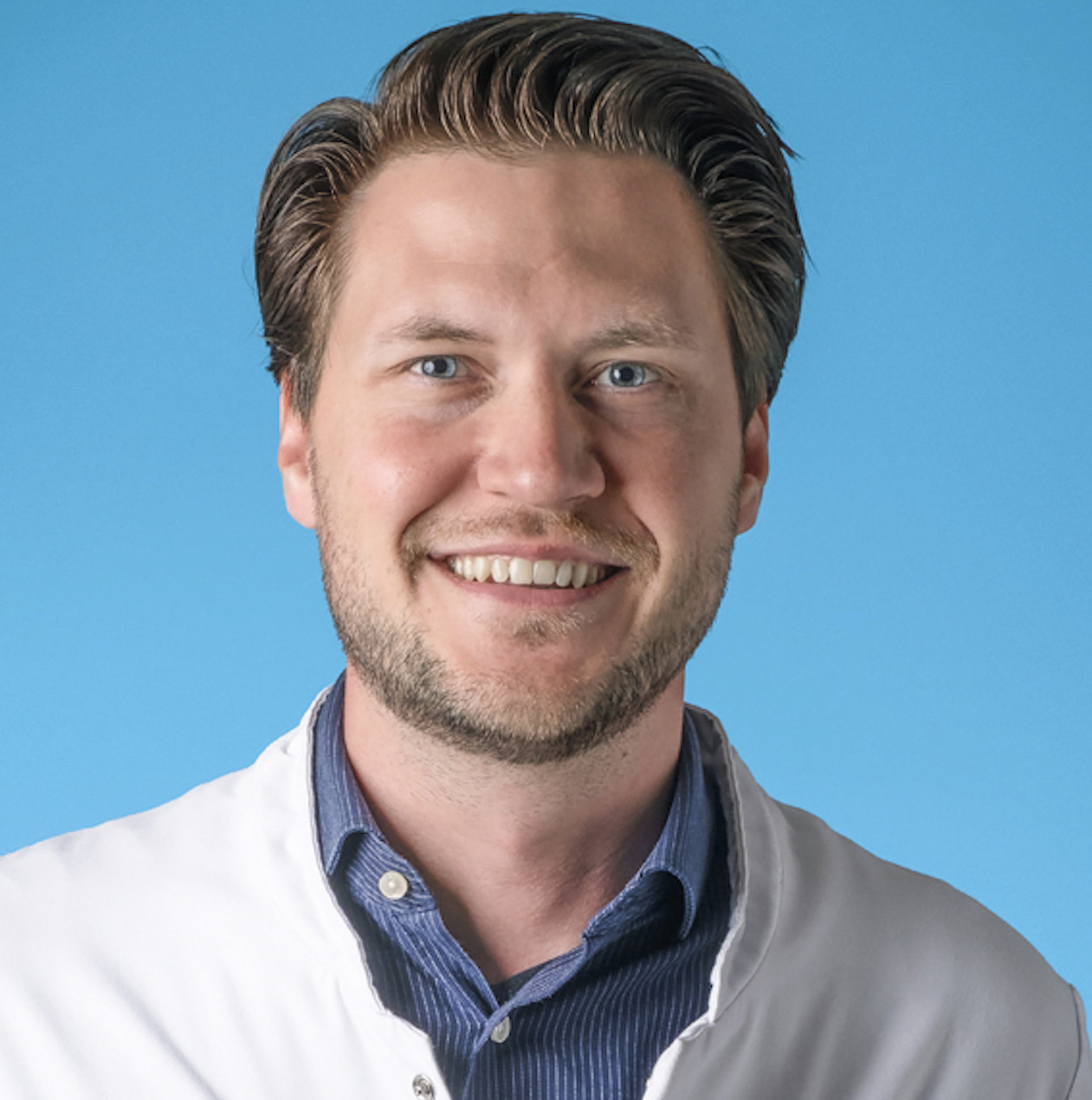
Wouter Meijers, MD PhD – Principal Investigator
Dr. Wouter C. Meijers obtained his medical degree at the Maastricht University. After which he was granted a PhD position at the (experimental) cardiology department of prof. de Boer and prof. van Veldhuisen, which he later on defended cum laude. His translational studies focused on heart failure and more specifically on cardio-oncology. He pioneered on the reciprocal relationship between cancer and heart failure. Furthermore, he founded the more specialized field of cardio-immuno-oncology. He obtained several national and international grands and awards which helped him to pursue his research career. He was the first Dutch cardiologist in training whom performed a post-doctoral fellowship in the field of cardio-oncology at the Vanderbilt University Medical Center in Nashville, Tennessee, USA with prof. Moslehi. He is currently fellow of both the European Society of Cardiology as the Heart Failure Association. He recently transferred to Rotterdam, the Erasmus Medical Center to further train within (advanced) heart failure and cardio-oncology, and to start his own research group.
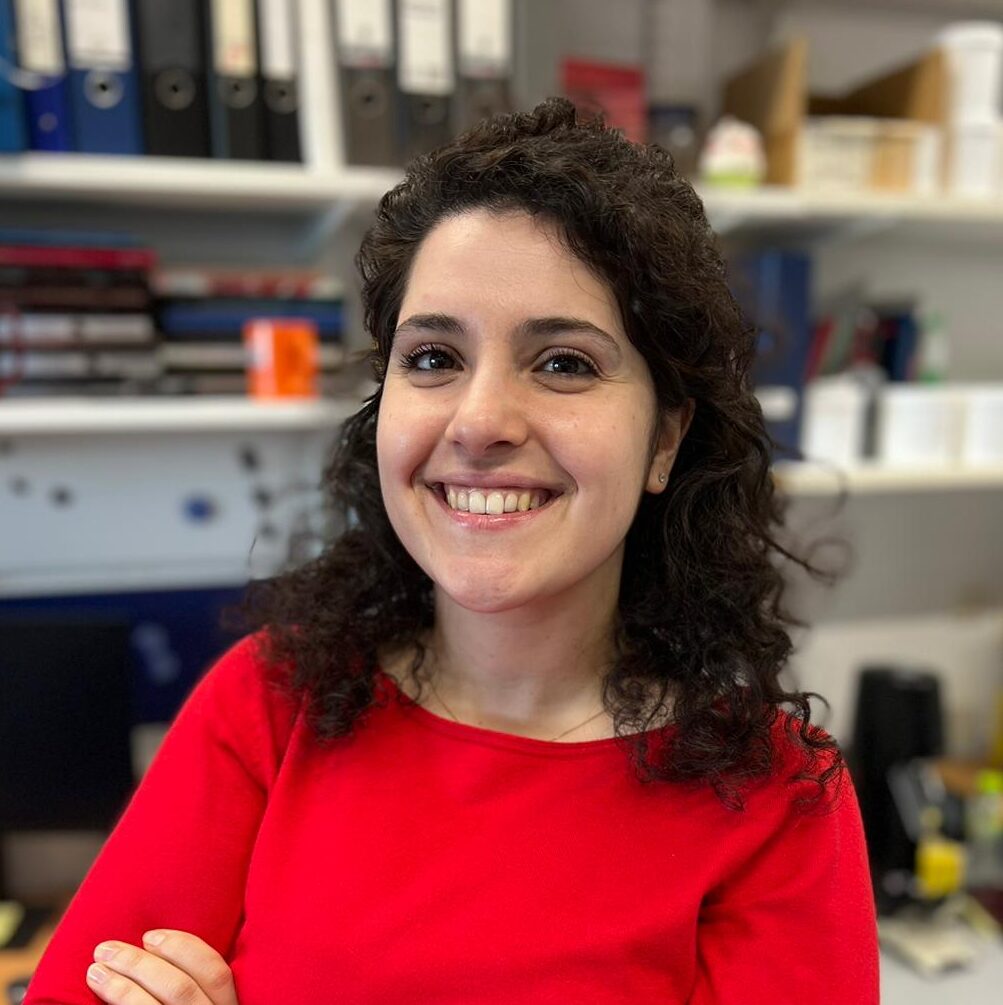
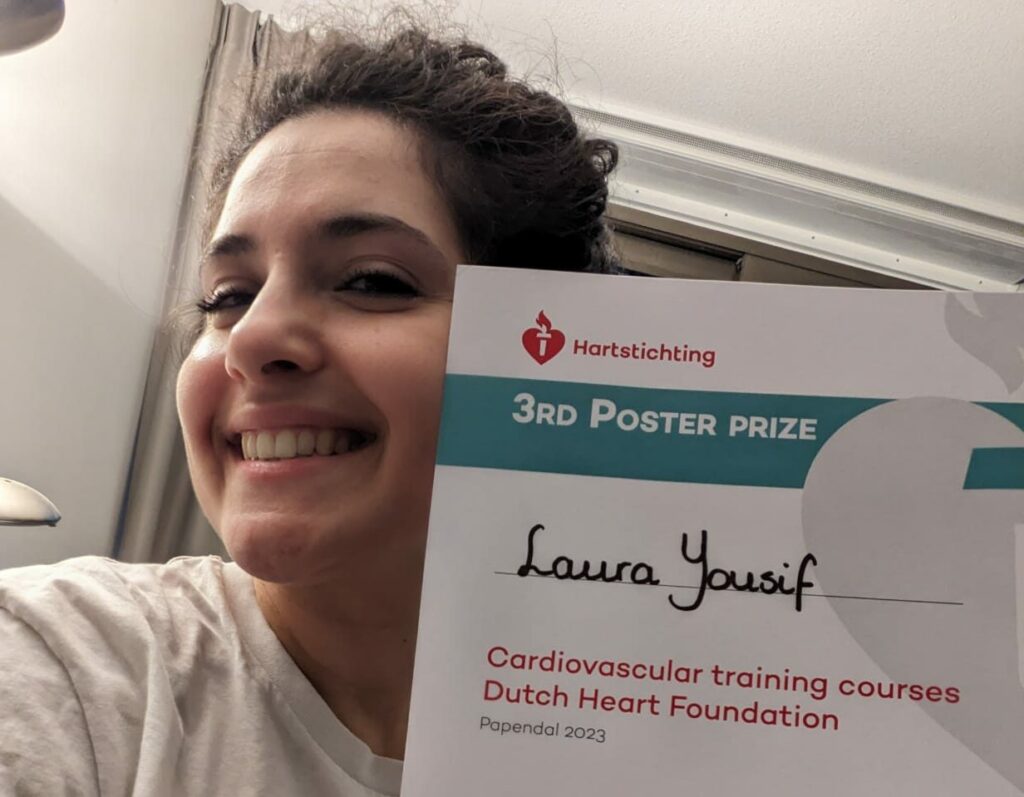
Laura Yousif, MSc – PhD Candidate
Laura Yousif obtained her undergraduate degree from the University College Roosevelt (UCR, Middelburg) in 2017. Following up, she received her Master’s degree in Biology of Disease from Utrecht University in 2020. During her Master’s period, she enrolled in a minor at the Kennedy Institute of Rheumatology, University of Oxford, with a special interest in cardiovascular immunology. Her educational background in translational research, combining molecular and cellular work with in vivo studies, and her interest in cardiology, immunology and oncology are put to work in her doctoral research into the role of immune checkpoints in cardiovascular biology and disease. In the summer of 2024, she went on a research visit to the University of Virginia in Charlotteville, US, to study the effect of cancer treatment on cardiac injury in CHIP carriers.
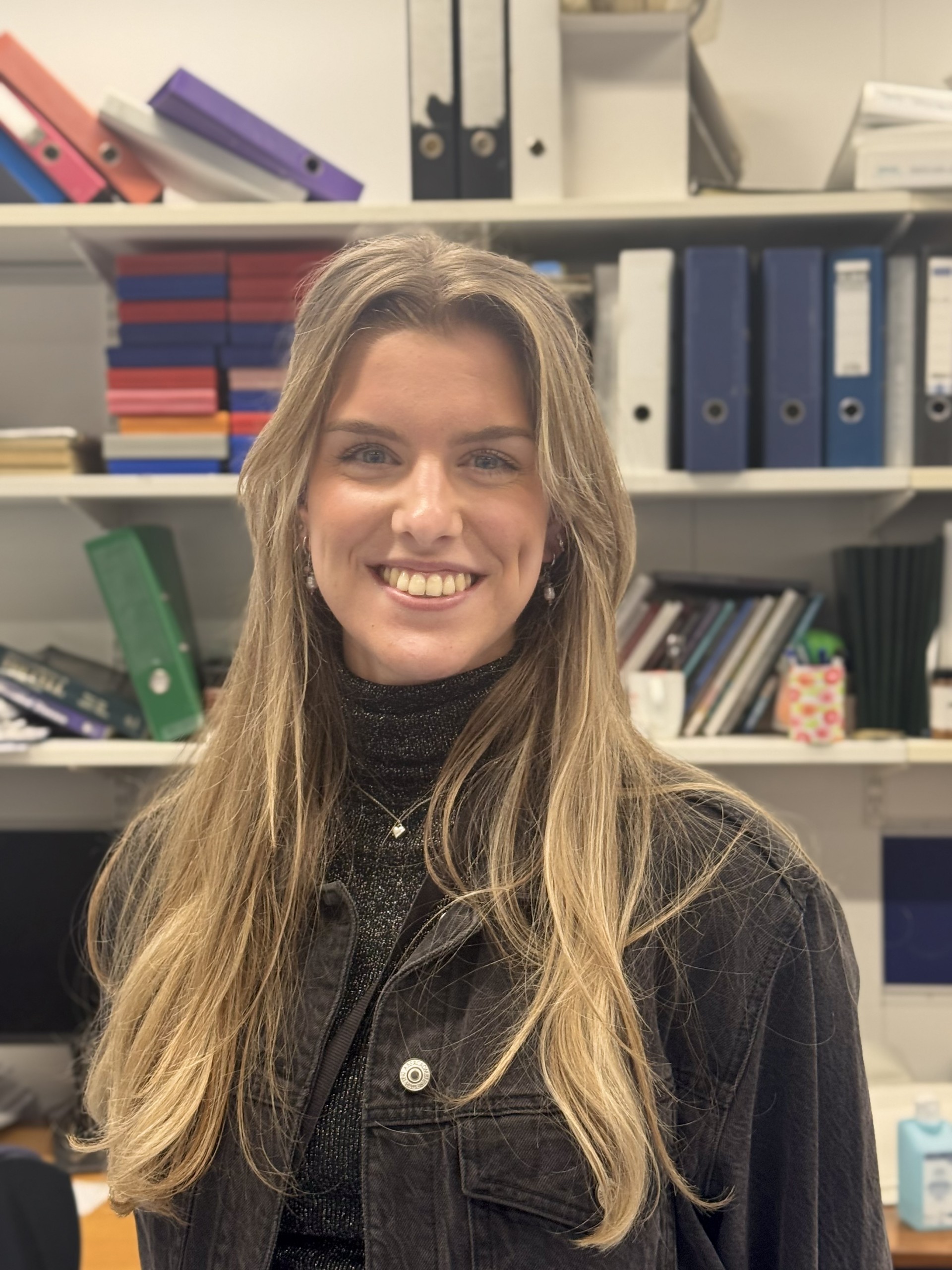
Ymke Appels, MSc – PhD Candidate
Ymke Appels obtained her Bachelor’s degree in Molecular Life Sciences with a minor in Biomedical Sciences at Utrecht University in 2021. Building on her undergraduate studies, she completed her Master’s in Regenerative Medicine & Technology at Utrecht University in 2023. During her Master’s period, she combined fundamental disciplines such as stem cell biology and material science with applied disciplines of cardiovascular regenerative medicine, tissue engineering, and disease modelling. She moved to the Erasmus MC to further embark on her academic journey as a PhD student and apply her previous experience into the field of heart failure and cardio-oncology.
Siyu Zhang, MSc – PhD Candidate
Siyu Zhang obtained a Master’s degree in Cardiovascular Basic Research from Fujian University of Traditional Chinese Medicine in 2024. During her Master’s program, she received the National Scholarship, as well as annual scholarships, and participated in the advancement of two research projects and co-authored three articles. Her previous main research was on the protective mechanism of Chinese herbal monomers against vascular fibrosis, myocardial hypertrophy, and apoptosis induced by hypertension in rats, but she developed a strong interest in the new field of cardiac oncology and moved to Erasmus MC as a PhD student to join a research team and apply her previous research experience to the study of heart failure and cardiac oncology.

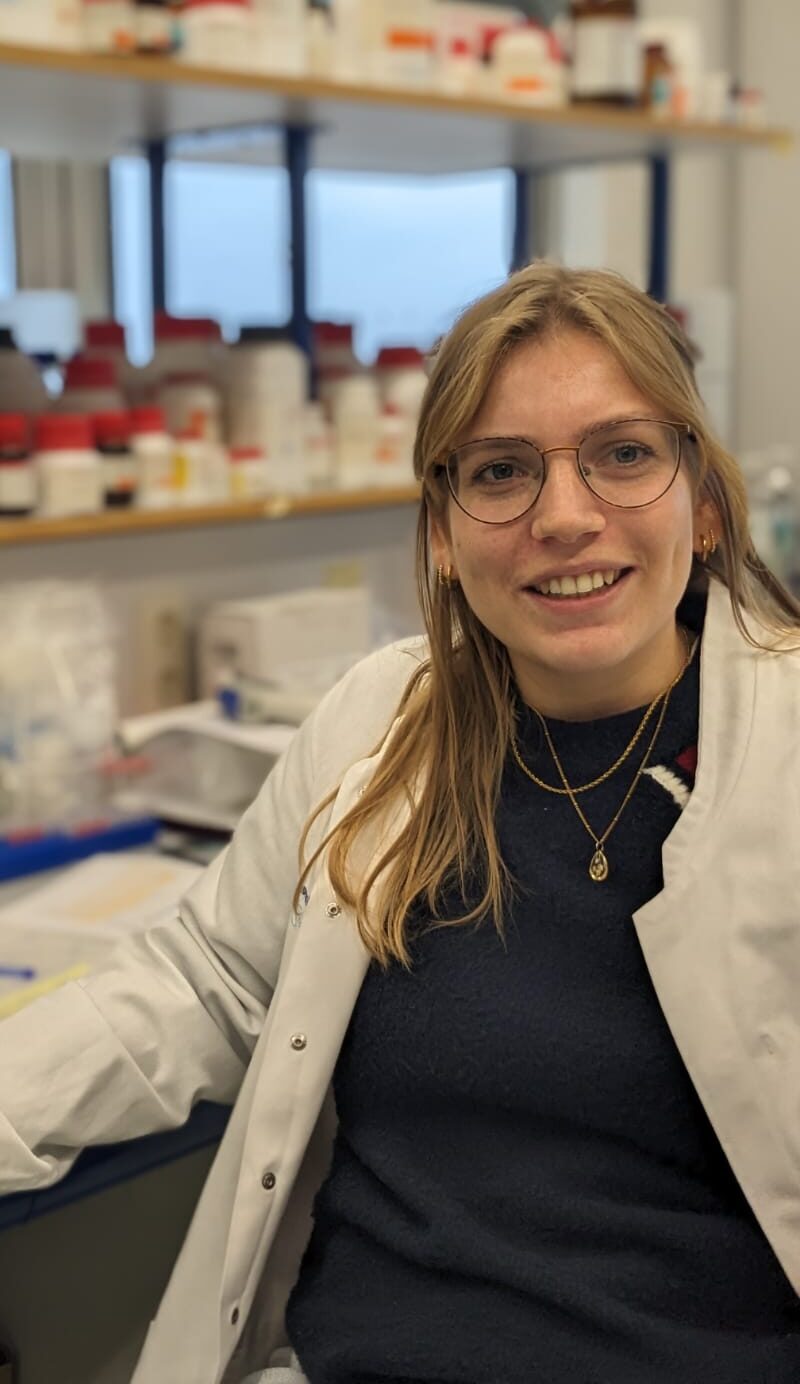
Aukje Sijtema, MSc – PhD Candidate
Aukje Sijtema obtained her bachelor’s degree in Medical Biology from the Radboud University in 2021. She went on to do her master’s in Human Biology at the same university. Recently she started her internship at the Erasmus Medical Centre. In the upcoming year she is eager to contribute to the research and apply her bioinformatics skills in combination with a training in wet-lab, in the field of cardiology, immunology and oncology. Aukje successfully finished her internship and joined the group as a PhD candidate to further incorporate bioinformatics into the field of cardio-oncology.
Melis Asik, BSc – Master’s Student
Melis Asik completed her Bachelor’s in Biomedical Engineering at Ankara University and is now pursuing her Master’s in Health Sciences – Clinical Research at Erasmus University Rotterdam. She has experience in trial assessment and coordination, particularly in immuno-oncology research. Starting her internship at the Meijers group in early 2025, Melis is eager to deepen her expertise in clinical trials, focusing on oncology and cardio-oncology, and contribute to advancing research in these fields.
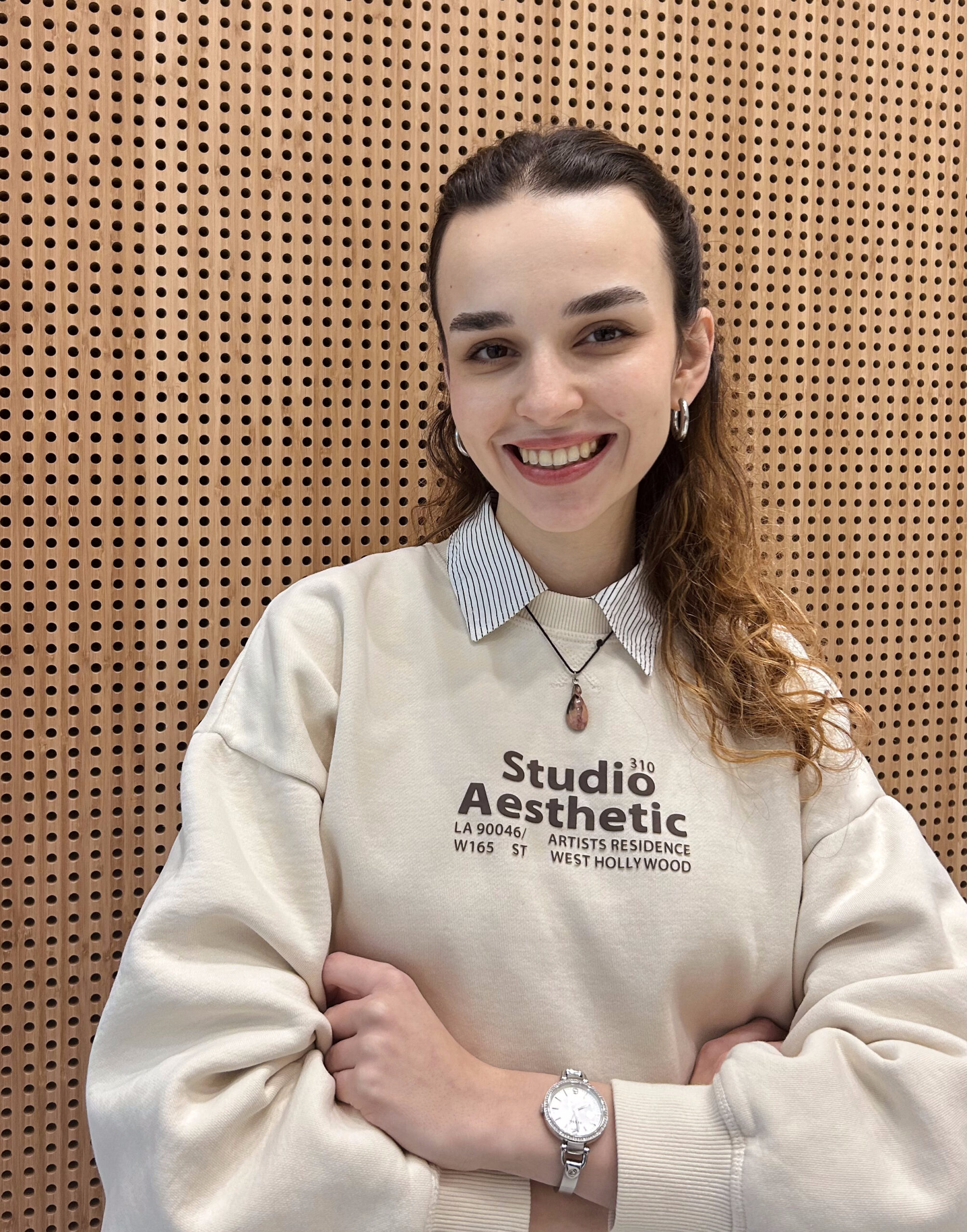

Kaylin Molijn, BSc – Bachelor’s Student
Kaylin Molijn is currently completing her Bachelor’s degree in Biology and Medical Laboratory Research at Leiden University of Applied Sciences. Her internship focuses on heart failure and cardio-oncology. She will be working on preclinical in vivo projects, a field in which she intends to specialize further. With a strong interest in immunology and infectious diseases, she is motivated to further develop her skills at the intersection of fundamental and applied research.
Former members

Canxia Shi, PhD – Post-Doctoral researcher
Dr. Canxia Shi received her Bachelor’s Degree in 2015 at the Faculty of Pharmaceutical Sciences, Jilin University, during which she won a National Scholarship for Encouragement and was chosen as Model Student of Self-reliance. She finished her master’s training in 2018 at the Department of Pharmacology, Faculty of Basic Medical Sciences, Jilin University. She studied the potential mechanism of HDACIs’ protective function in rats with myocardial ischemia. During master’s period, She won the Annual Academic Scholarship every year and participated in publishing two articles. She nearly finishes her PhD degree with current research focuses on cardio-oncology. She moved to the Erasmus MC to continue as a post-doctoral fellow.
Rachele Cagnazzo, MSc – Visiting student
Rachele Cagnazzo earned her Bachelor’s in Biotechnology from the University of Genoa (Italy) in 2021 and her Master’s in Pharmaceutical Biotechnology from the University of Milan (Italy) in 2023, summa Cum Laude. Her research experience spans cancer resistance mechanisms, COVID-19 lung pathology, and thrombus biophysics, gained during internships at IRCCS Policlinico San Martino (Genoa, Italy) and Erasmus Medical Center. At the moment, as a research fellow at IRCCS Policlinico San Martino together with Erasmus Medical Center, her work focuses on heart failure and its systemic impact on cancer, bridging biotechnology and cardiovascular research to advance therapeutic development in cardio-oncology.
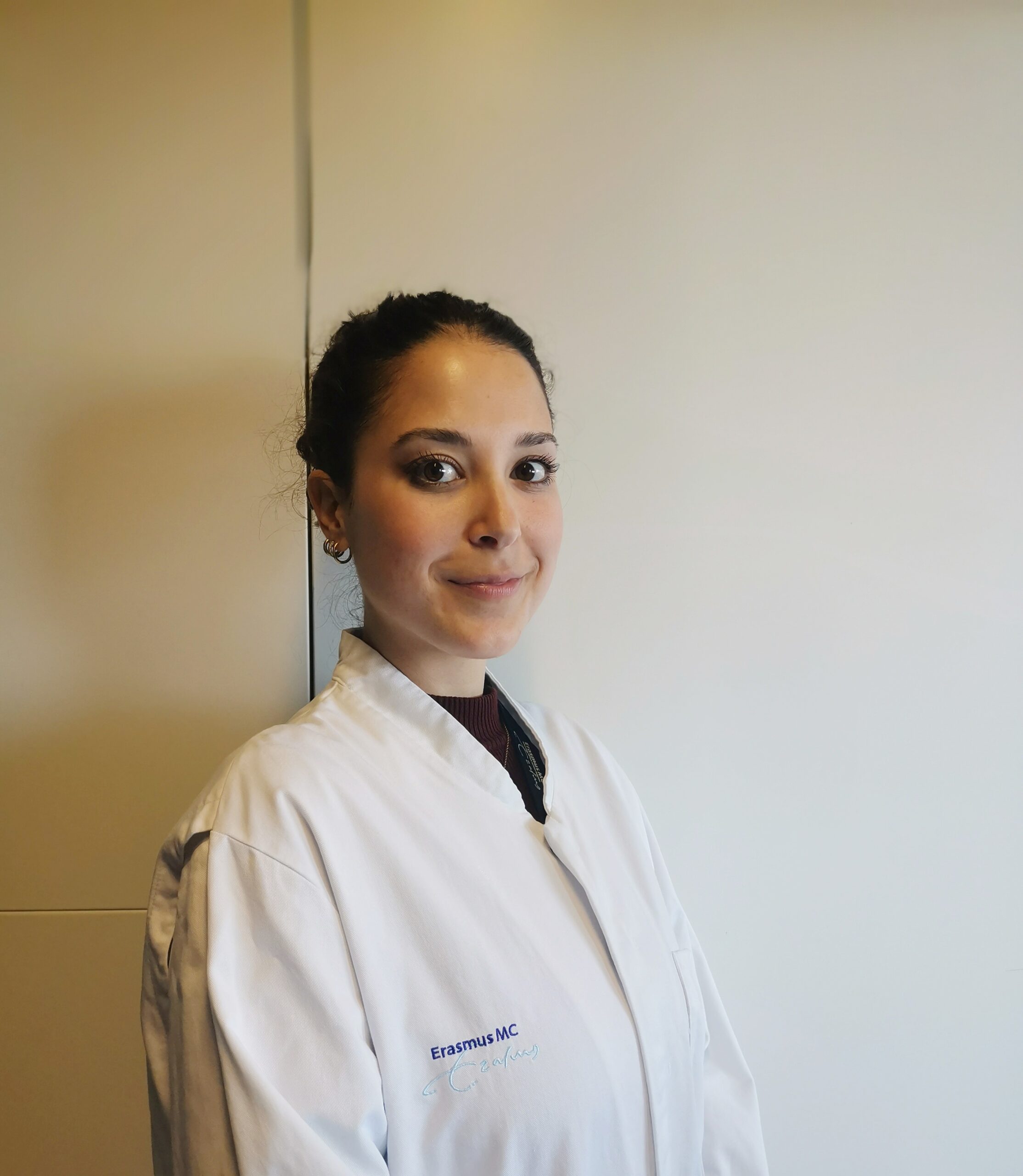
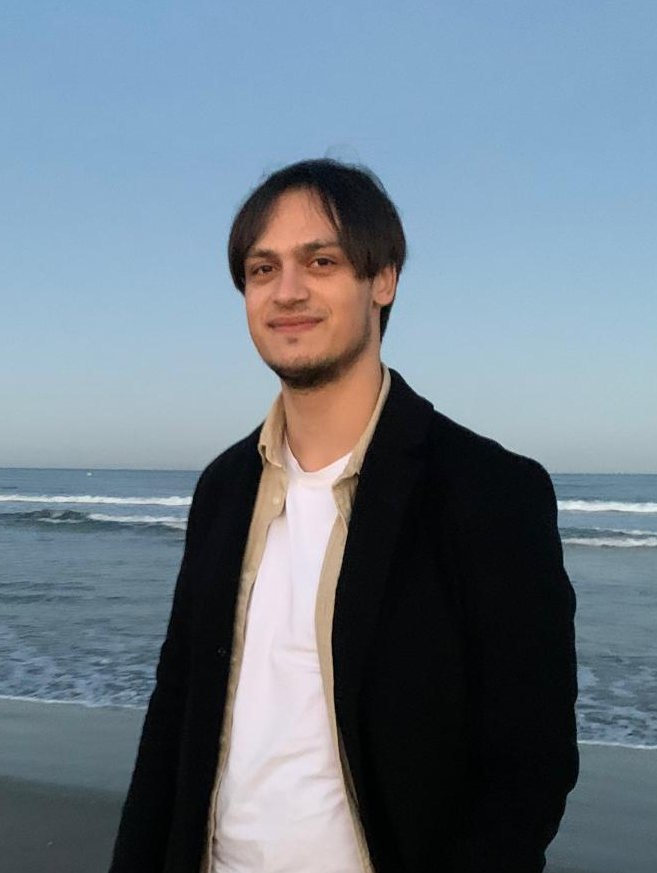
Lucas Arnold – HBO Student
Lucas Arnold is earning his bachelor’s degree in Life Science with a minor in Medical Biology. In his previous internship, he worked at Radboud UMC to develop an improved method for diagnosis of pheochromocytoma using LC/MS/MS to measure catecholamine/metanephrine markers from whole blood. As of early 2025 he is starting his internship at the Meijers group for his graduation project, where he will assist the drug-induced cardiotoxicity project. Using iPSC’s and cell culture as in vitro models for cardiomyocyte, non-myocyte cells and organoids he hopes to gain a fundamental understanding of cardiotoxic side effects of various anti-cancer drugs. Lucas is excited to dive deeper into cardio-oncology and broaden his knowledge and experimental skills whilst contributing to the advancement of this research project.
Susanne Osinga, BSc – Master’s Student
Susanne Osinga completed her Bachelor’s degree in Chemistry at University of Utrecht in 2022 and is currently pursuing a Master’s degree in Biomolecular Sciences at the Vrije Universiteit Amsterdam. Through previous internships, she gained experience in the topics of membrane biochemistry and cancer metabolism. In her current internship with the Meijers Group, she is enthusiastic about expanding her knowledge in onco-cardiology and gaining hand-on experience in translational research.
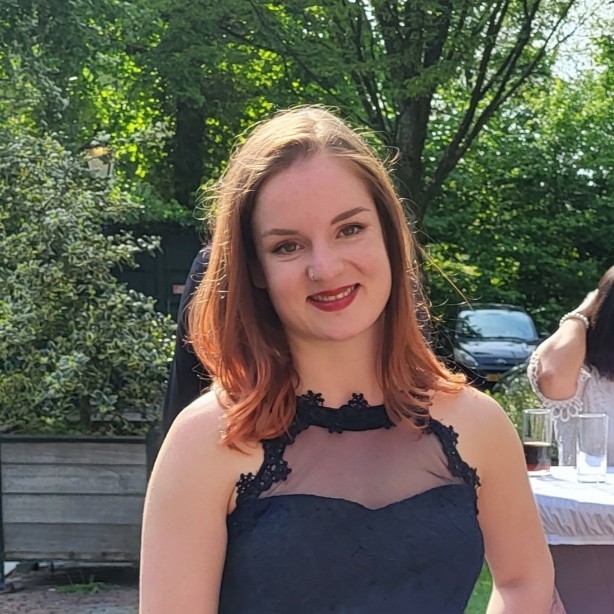
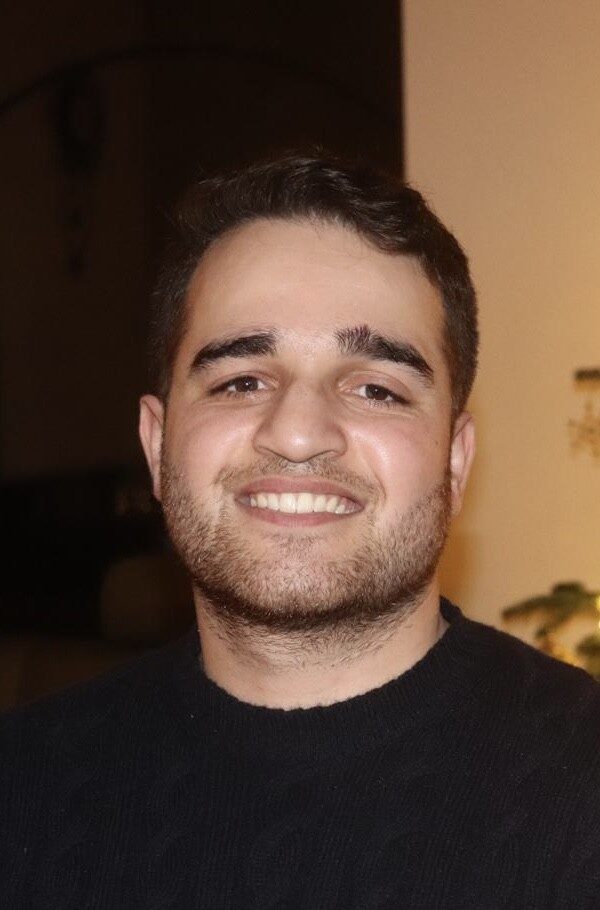
Abdullah Ahmadi, MD – Master’s Student
Abdullah Ahmadi completed his Bachelor’s degree in medicine, including the Querido Honours College program, and recently obtained his MD. The coming year, he will complete the final year of his master’s degree in Molecular Medicine after having spent his first year at the van Woerden lab at the Erasmus MC. During his final year, he will be joining the Meijers lab where he aims to expand his knowledge of cardiovascular pathophysiology, contribute to translational research to bridge the gap between bench and bedside and contribute to innovative treatments.
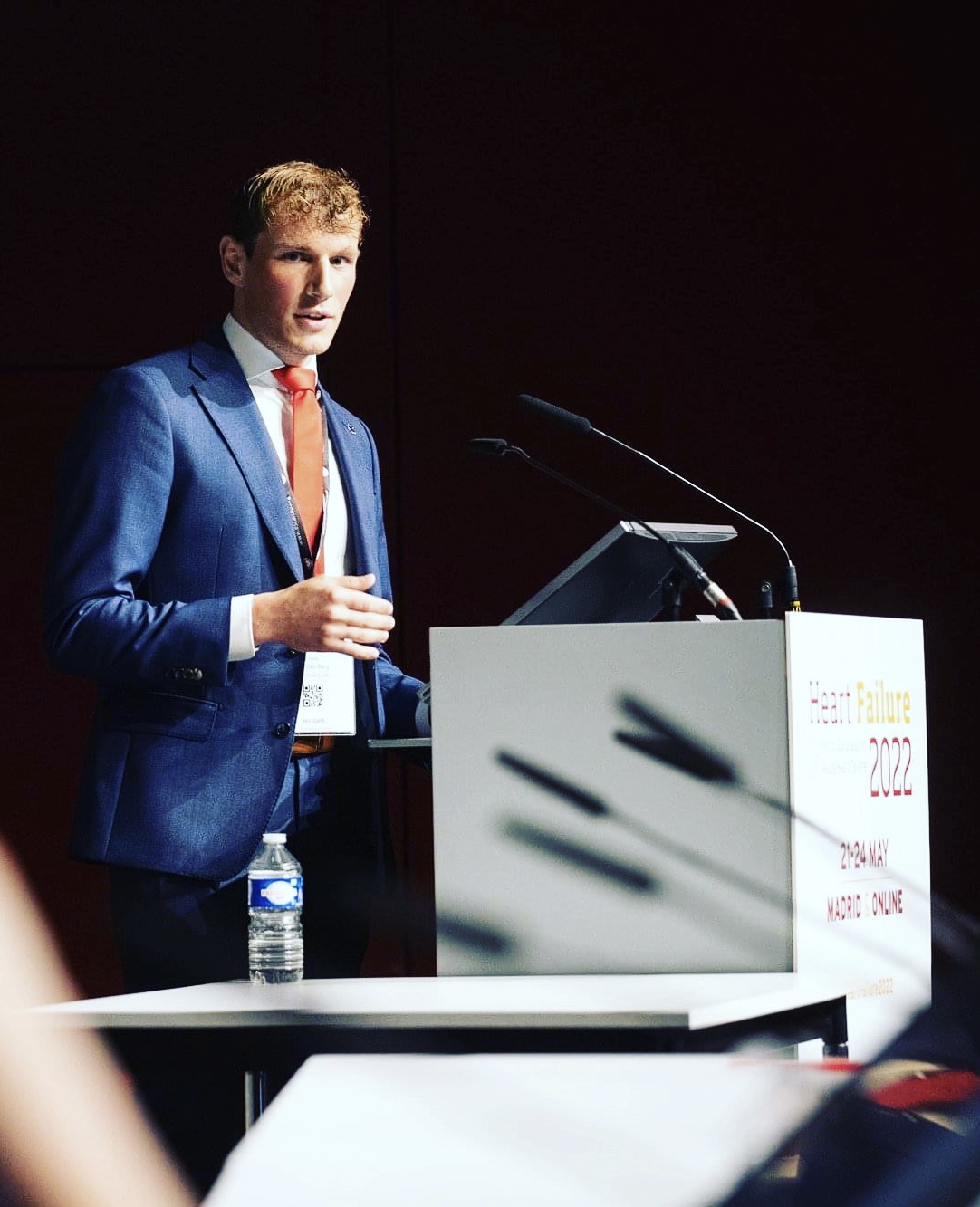
Freek van den Berg, MD – MD/PhD Candidate
Freek van den Berg obtained his Medical Degree from the Rijksuniversiteit Groningen. During his Bachelor’s degree, he became involved with the cardio-oncology research line, which resulted in an MD/PhD trajectory. His research focus centers around the clinical aspects of cardio-oncology, mainly performing biomarker and pathway analyses studies. In 2022, he spent 6 months at the University of Leicester, UK, to study the risk of bleeding and anti-platelet treatment in cardio-oncology patients. Having obtained his MD, Freek is currently in the last year of his PhD at the Erasmus MC.
Vacancies

Technician
We are looking for a new colleague! Are you a technician looking for a research group with translational research? As a bonus, do you enjoy cardiovascular research, with a focus on cardio-oncology and cardio-immunology? Then send us a message!

Students
WO MSc/BSc
HBO BSc
MLO BSc
All Master’s students are welcome to apply! We offer internships for at least 6 months or a writing assignment.
Want to join? Contact us!
Updates from us

BiteSized Research
March 1st, 2025
Science means being open minded!
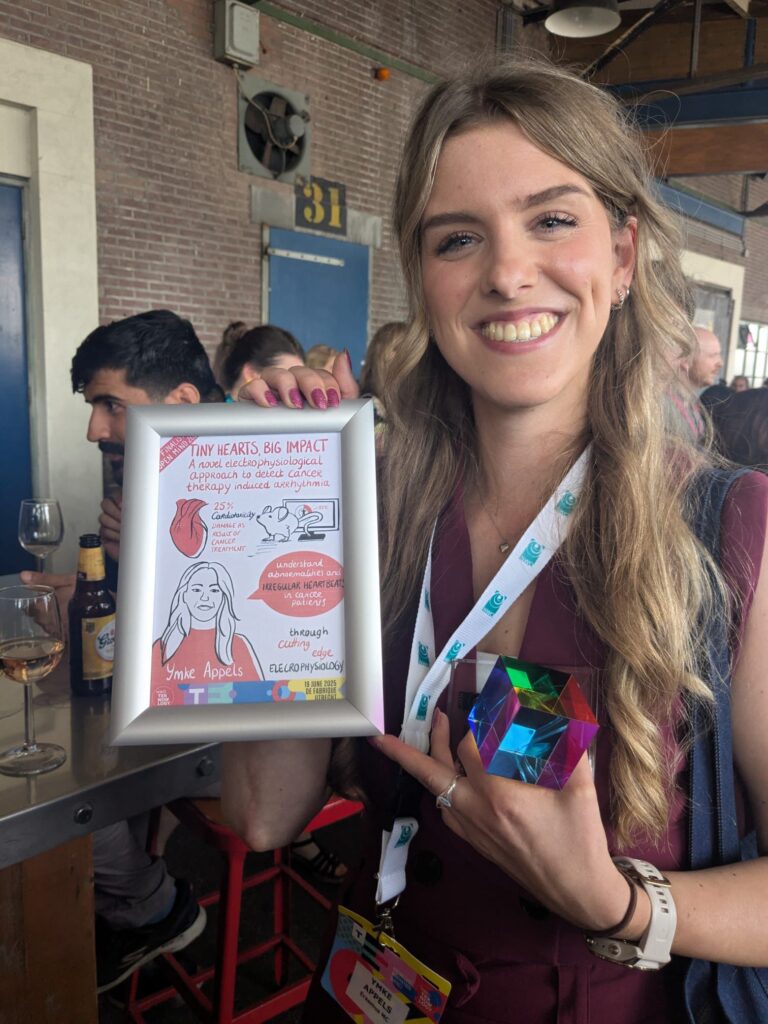
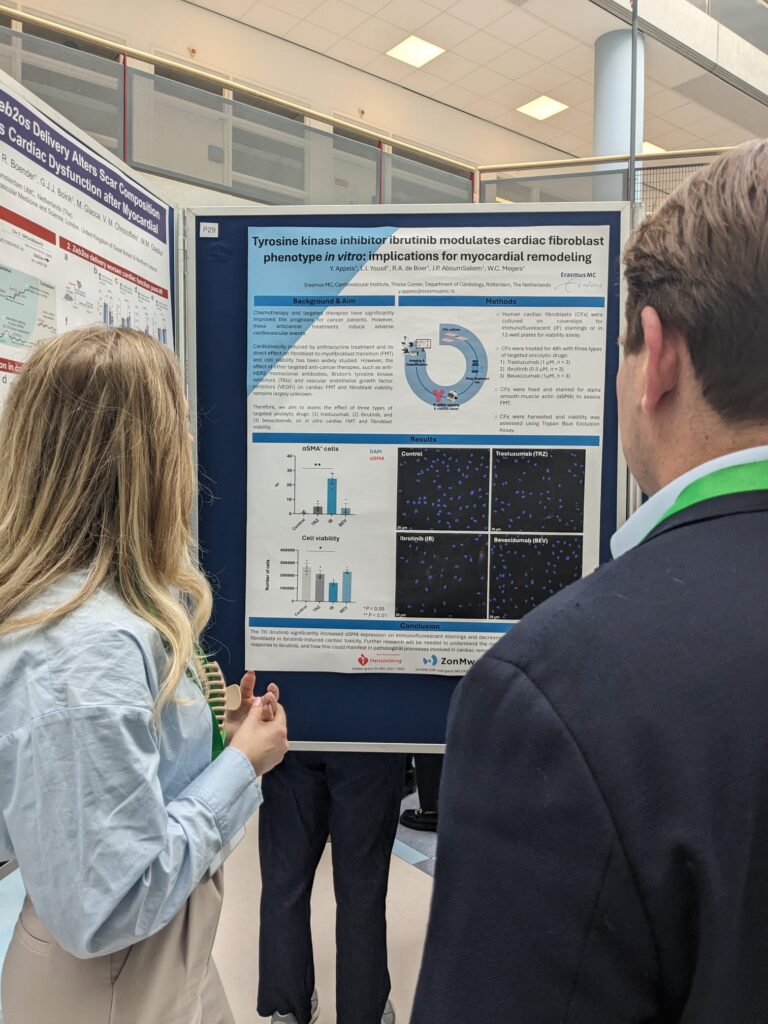
Ymke’s recent study highlighted how important it is in cardio-oncology to look beyond your current scope. She showed how besides the heart muscle cells, vascular cells and cells supporting the heart (fibroblasts) are also direct targets of anti-cancer treatment. Meaning that we should learn how to keep those cells safe to protect the heart completely!
July 1st, 2025
The immune system at the helm!
Laura’s article on a specific interaction between dying heart muscle cells and immune cells which are meant to clean up debris, showed that a once considered protective mechanism is actually causing more damage after a heart attack. A great step forward towards potential therapies!
October 1st, 2025
One risk-score to rule them all!
Freek compared two groups of individuals to show that a risk assessment used to predict someone’s risk of developing heart disease can also predict whether someone develops cancer. This provides information on how we can better implement risk scores to accurately predict and hopefully prevent any disease in the future! Have a look.
Contact
Wouter Meijers, MD PhD
Cardiologist, Principal Investigator
Department of Cardiology
Thorax Center
Erasmus University Medical Center
Dr. Molewaterplein 40
3015 GD, Rotterdam
The Netherlands
Telephone: +31 10 704 0 704
Email: w.meijers@erasmusmc.nl